
How to Avoid Freelancing Scams
Freelancing offers freedom and global opportunities, but it also attracts scammers who target beginners. Many new freelancers lose time, effort, and sometimes money because they are unaware of common freelancing scams. Scammers often take advantage of beginners’ lack of experience and eagerness to get their first job.
This comprehensive safety guide is written to help beginners understand common freelancing scams, recognize warning signs, and protect themselves while working online. Awareness and caution are essential for building a safe and successful freelancing career.
Why Freelancing Scams Exist
Freelancing platforms connect millions of freelancers and clients worldwide. While most clients are genuine, scammers misuse these platforms to trick freelancers into working without pay or sharing sensitive information.
Beginners are often targeted because they are eager for opportunities and may ignore red flags. Understanding why scams exist helps freelancers stay alert and cautious.
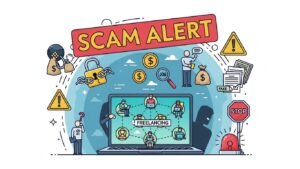
There are several types of freelancing scams that beginners should be aware of. Some scammers ask freelancers to work off-platform, promising higher payments. Others request unpaid “test work” or ask for personal details.
Another common scam involves fake job offers that require freelancers to pay registration fees or buy tools. Legitimate clients never ask freelancers to pay money to get work.

Scam on Freelancing Marketplaces
Even popular freelancing platforms are not completely free from scams. Some fake clients create accounts to contact freelancers and ask them to communicate outside the platform.
Working outside the platform removes payment protection. Beginners should always use platform messaging and payment systems until trust is established.

Red Flags to Identify Freelancing Scams
Recognizing red flags is one of the best ways to avoid scams. Common warning signs include:
- Clients offering very high pay for simple work
- Requests to work outside the platform
- Pressure to start work immediately
- Poor communication or unclear job details
If something feels suspicious, it is better to decline the offer.

Never Work Without Payment Protection
Beginners should never start work without secure payment protection. Freelancing platforms usually offer escrow or milestone systems that hold funds safely. Using these protections can help beginners feel safe and supported as they build their freelancing careers.
You can avoid clients who don’t use platform payment systems. Working without payment protection often leads to unpaid work.

Protect Your Personal Information
Scammers often ask for personal information such as phone numbers, addresses, or identity documents. Beginners should never share sensitive personal details with unknown clients.
Use platform communication tools and keep conversations professional. Protecting personal information is essential for online safety.

How to Verify Clients Before Working
Before starting a project, check the client’s profile, reviews, and activity history. Ask questions about their previous projects or request examples of their work. Genuine clients usually have clear descriptions and a consistent online presence, which helps verify their legitimacy.
If a client has no profile information or doesn’t answer questions, please proceed with caution. Asking clear questions helps verify legitimacy.

Avoid Free Test Work Scams
Some clients ask for free test work before hiring. While small samples may be acceptable, large unpaid tasks are a red flag.
Beginners should limit test work and clarify payment terms in advance. Your time and effort are valuable.

What to Do If You Encounter a Scam
If you suspect a scam, stop communication immediately and report the client to the platform. Freelancing platforms have support systems to handle such cases.
Please don’t argue or share additional information. Re with meporting scams helps protect other freelancers as well.

Tips to Stay Safe While Freelancing Online
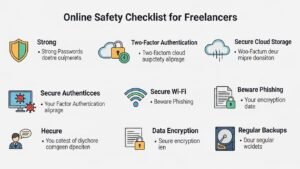
To stay safe while freelancing:
- Use trusted platforms
- Never pay to get work
- Keep communication professional
- Use secure payment systems
- Trust your instincts
Following these safety tips significantly reduces the risk of scams.
Building Long-Term Trust with Clients
Safe freelancing also involves building trust with genuine clients. Clear communication, meeting deadlines, and delivering quality work create long-term professional relationships. Focusing on trust helps beginners feel motivated and optimistic about developing a stable freelancing career.
Trusted clients provide stable income and reduce the risk of scams over time.

Final Thoughts
Freelancing scams can be avoided with awareness, patience, and caution. Beginners should focus on learning, building skills, and working safely rather than rushing for quick results.
By recognizing red flags and following safety practices, freelancing can become a secure and rewarding career path.